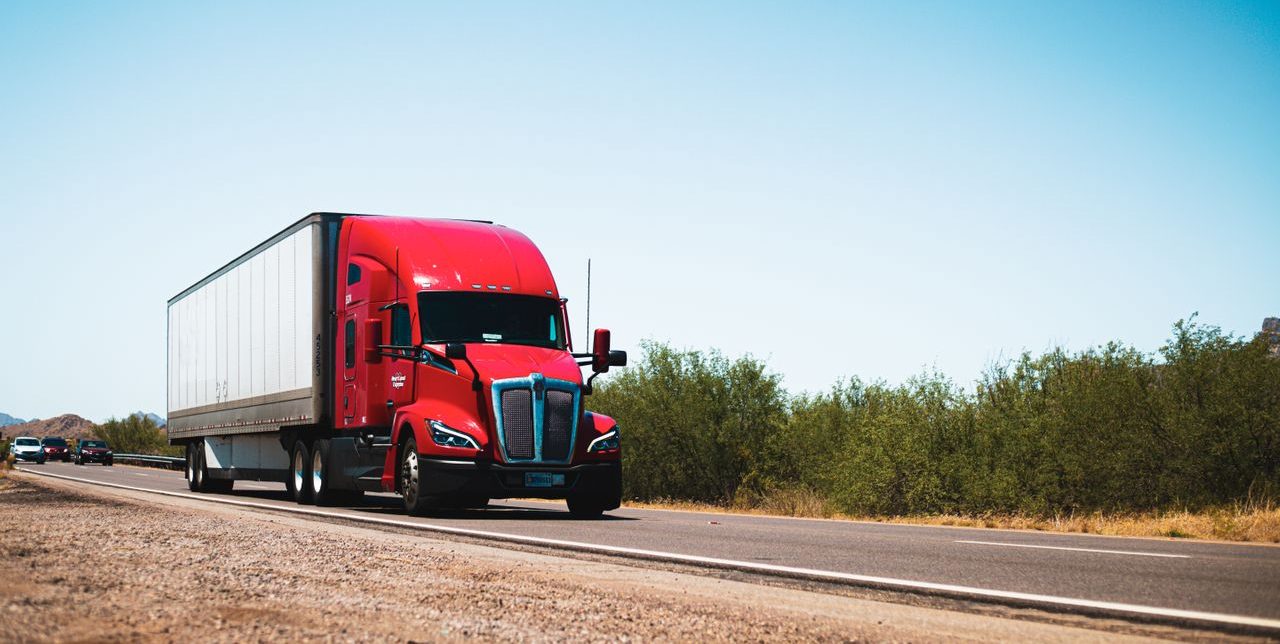
Trucking wasn’t what I originally set out to do. I actually wanted to become a doctor, but college proved to be a struggle. Long story short, I had bills to pay, including student loans. Through it all, I had a quiet interest in driving semi-trucks. When my personal financial situation got tough enough, I finally made the jump and went to truck driving school.
I earned my CDL-A in my late 20s and have stayed in the industry ever since. If you currently have a job or career completely unrelated to trucking—but you’re curious about making a change—you’re in the right place.
Why Switch to Trucking?
Unlike most professions that require months or years of expensive schooling, you can earn your CDL-A in a month or less. Many driver training programs last anywhere from two to four weeks.
Before enrolling, talk to trucking carriers directly to verify they hire graduates from that specific school. While some carriers do not hire brand-new graduates, many do.
A Note on Recruiters: It is very common for company recruiters to pitch at driving schools. While not all recruiters exaggerate, some do. Be cautious when listening to weekly pay estimates. Earnings claims can be accurate, but sometimes you won’t know for sure until you start working.
Understanding New Driver Pay
How much you earn as a new driver comes down to your rate per mile and how many miles you run:
2,500 miles per week × $0.50 per mile = $1,250 gross pay
Beyond base mileage, you can earn extra pay depending on the carrier:
- Detention Pay: Compensation for waiting at a shipper or receiver past two hours.
- Breakdown Pay: Coverage for downtime when your equipment needs repairs.
Most carriers pay weekly via direct deposit right into your bank account.
What to Expect During the CDL Driving Test
The road test itself isn’t hours long—it typically takes 10 to 20 minutes. You will be evaluated on basic driving fundamentals:
- Obeying speed limits and coming to complete stops at stop signs
- Making proper turns and execute wide intersection turns
- Staying centered in your lane and using signals correctly
If you don’t know how to do these things yet, don’t worry—truck driving school will teach you.
Automatic vs. Manual Transmissions
The truck you test in determines what you are licensed to drive. Testing in a truck with an automatic transmission places an automatic-only restriction on your license. Testing in a manual truck gives you an unrestricted CDL.
Testing in an automatic is not a drawback for most modern driving jobs:
- Fleet Availability: Major manufacturers—including Freightliner, Volvo, Kenworth, Peterbilt, International, Mack, and Western Star—primarily build automatics now. Many fleets advertise 100% automatic equipment.
- Driver Health: Automatics save your left knee during heavy stop-and-go traffic and city driving.
- Performance: Modern automatic transmissions perform well in steep mountain passes.
Choosing Your Freight Type
| Trailer Type | Key Characteristics | Considerations |
| Dry Van | Standard enclosed trailer; most common trailer type on the road. | Hauls non-perishable consumer goods, paper, and general freight. |
| Refrigerated (Reefer) | Temperature-controlled trailer for frozen, cold, or temperature-sensitive cargo. | Requires monitoring a secondary 50-to-100-gallon diesel tank on the trailer. |
| Flatbed | Open trailer for oversized equipment, machinery, or building supplies. | Requires heavy physical work including securement (chains/straps) and tarping (tarps weigh 70–100 lbs). |
| Intermodal | Hauls shipping containers between rail yards, ports, and regional customers. | Shorter length of haul; drivers are often home daily or weekly. |
| Tanker | Transports bulk liquids (milk, fuel, chemicals) or dry bulk materials. | Rounded shape and smaller surface area allow crosswinds to flow around it, reducing rollover risk in high winds compared to flat-sided vans. |

OTR vs. Regional vs. Local: Which Path Should You Take?
- Over-the-Road (OTR): You cover the entire country (or almost the entire country) and stay on the road for several weeks at a time. Common home time schedules offer roughly one day off per week spent out.
- Regional: You operate within a specific cluster of states and are typically home every weekend or every few days.
- Local: You start and finish your shift at the same facility every day, returning home daily.
Tip for New Drivers: Local positions (like food and beverage distribution) often pay well and hire entry-level drivers without OTR experience, but they demand heavy physical labor and carry higher turnover.
9 Major Challenges in Your First 6 Months
- Paid Time Off (PTO): PTO is rare for first-year drivers. Most carriers offer one week of PTO after one full year of service, moving to two weeks after two years.
- Slow Equipment: New drivers are typically assigned governed trucks set between 55 and 62 mph. Faster trucks usually come with experience and, sometimes, a different carrier.
- Backing Large Trailers: Maneuvering 53-foot trailers takes practice. Stick to basic backing fundamentals, and your skill will improve with repetition.
- Lifestyle Adjustment: Being away from family requires open communication and strong support from your partner.
- Winter Driving: Heavy loads provide better traction, but severe snow and ice require reduced speed or finding a safe spot to park until conditions improve.
- High Winds: High-profile trailers act like sails in heavy crosswinds. Dry vans are particularly vulnerable compared to loaded tankers or low flatbeds.
- Mountain Grades: Downhill grades require using your engine brake (Jake brake) and low gears to control speed without overheating your service brakes.
- Navigation & Route Planning: Interstates are built for trucks, but restrictions exist (such as specific parkways or urban zones in cities like Minneapolis-St. Paul or Washington, D.C.). Keep a current motor carrier road atlas in your cab.
- Truck Parking: Finding safe, legal parking gets progressively harder the further east you travel. Parking early in the afternoon or utilizing customer staging lots helps avoid late-night parking stress.
Next Steps to Get Started
If you are ready to pursue a CDL, download your state’s Commercial Driver’s License manual. Reading the material before school starts gives you a strong foundation, making your formal training smoother and increasing your chances of passing your written and skills tests on the first try.

Leave a Reply